
Have you ever wondered what actually goes into starting a wheel company? We certainly have. It’s easy to think that it's just designing a new wheel design that looks cool, placing a logo-ed sticker on it, and you're finished... Thankfully, as these hold the weight of your car, there's way more engineering involved than you'd ever expect.
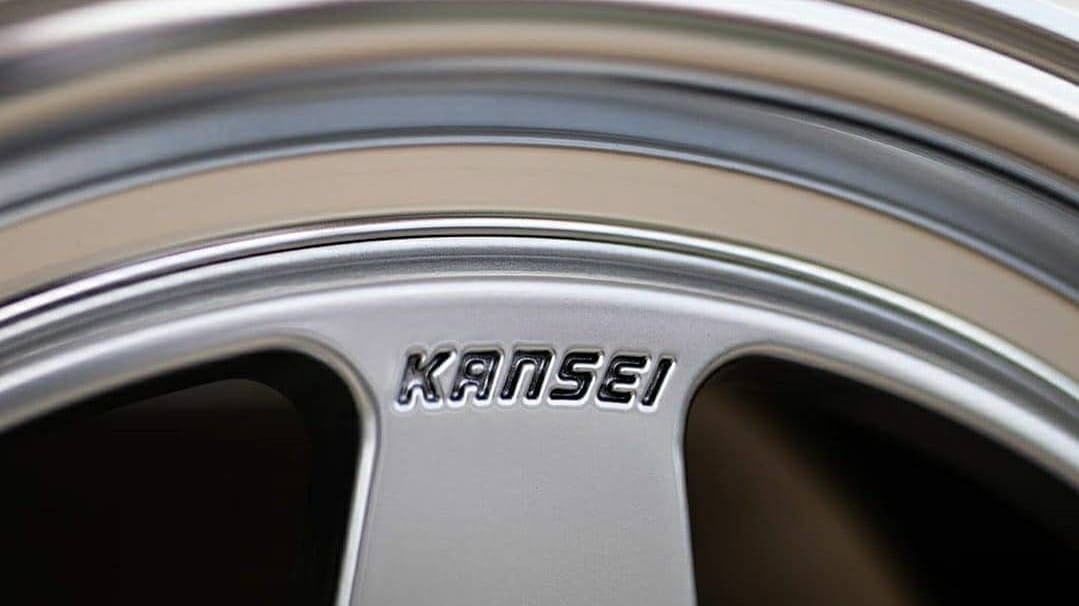
Meet Chris Sempek, the founder and CEO of Kansei Wheels. We've got to say, the guy's resume in wheels is impressive. Chris has been designing wheels for over a decade... everything from truck wheels, to UTV stuff, and everything in-between, all before founding Kansei in 2017. "My background is in tuner car culture and JDM stuff, so I wanted a way to kind of start a new brand based on everything I learned as a professional wheel designer and engineer, then merge it with my passion for a culture that I really care about."
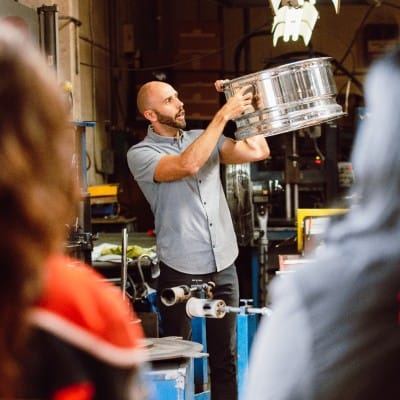
The name itself carries the same attention to detail as the wheels themselves. Kansei actually translates to "thoughtfully designed with emotion" in Japanese and references an engineering practice. And if you know anything about Initial D, you'll also recognize it as a commonly referred to drifting entry maneuver. A great mix of nostalgia and meaning in the car world.
One of the things we love about Kansei is how they position themselves against the rest of the market. They're not trying to compete with Rays or Volk directly. Instead, they saw a gap in the market. Quality wheels that won't bankrupt you, and still can deliver on durability. It is the answer to the prayers of the current market, where you are either cashing out for $3,000 forged wheels or taking a risk with the $400 sketchy cast ones.
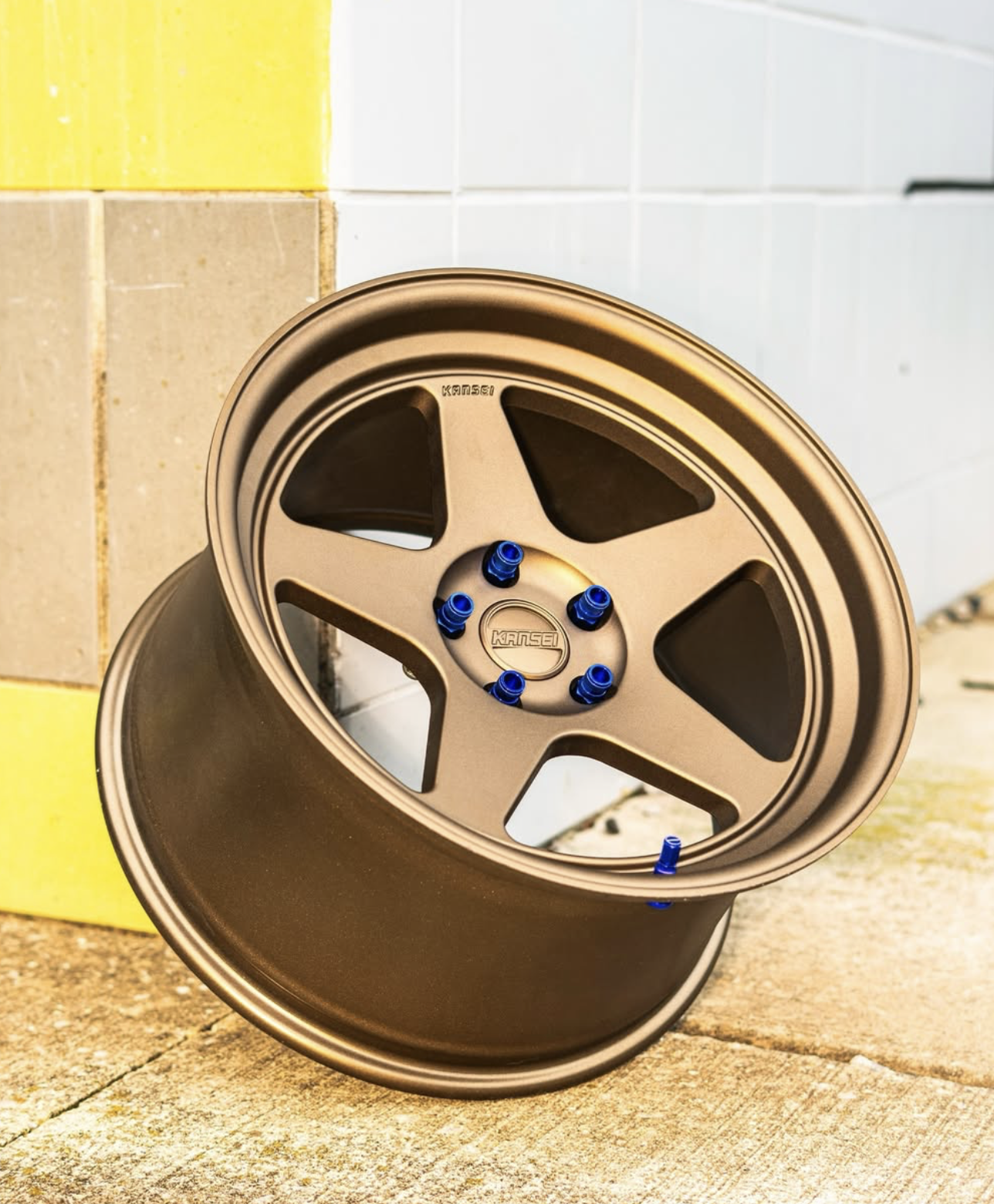
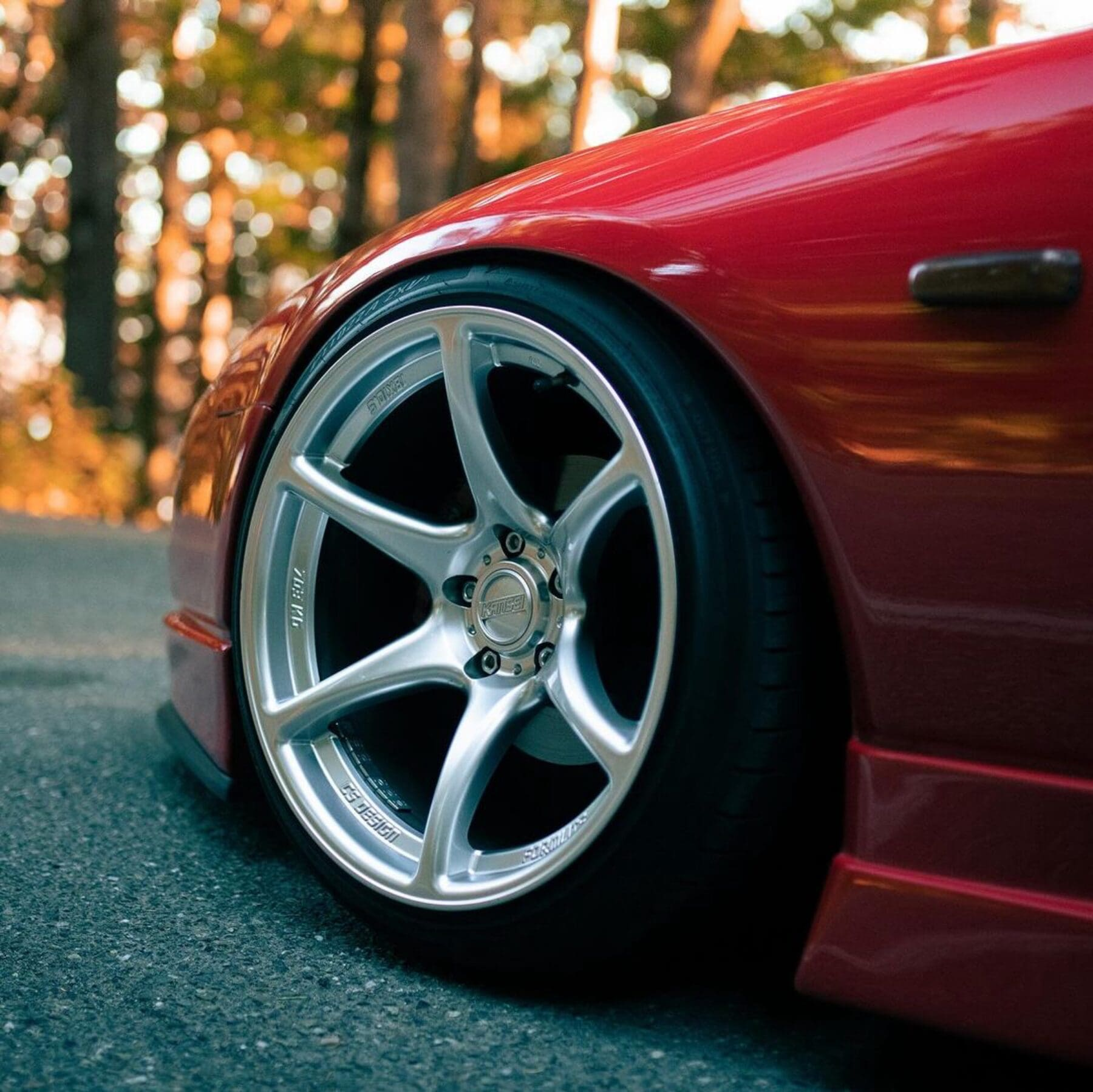
The Tandem wheel is their obvious crowd-pleaser. A modern take on the R34 GTR wheel, one that Chris doesn't shy away from. "The tandem wheel is a true inspirational nod to the R34 GTR 6-spoke wheel. Now we made some tweaks to it, but I fully... fully... accept the fact that, yes, it is a true nod to that car’s OEM wheel."
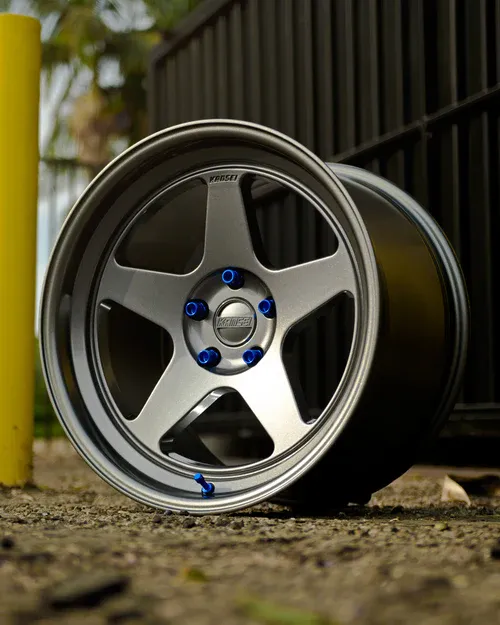
Their KNP five-spoke has a bit more personal meaning to Kansei. It started as a custom wheel that Chris had designed for his buddy Steven's S14 years ago. Back when he was buying CCW lips and barrels retail and assembling them in a garage. That wheel ended up in a Japanese magazine and gained an impressive following. It became the foundation for what's now their production KMP. Keeping the wheel made for a friend in college as a flagship design brings a level of authenticity far above what's required for a wheel company.
That authenticity is kept in many aspects of Kansei, including their honesty about making their wheels in China. Instead of dancing around it or getting defensive, Chris laid out the reality. Your iPhone comes from China. OE wheels on Toyotas and Fords often come from China. The issue isn't the location; instead, it’s keeping good relationships and quality control.
He broke down their process of detailed blueprints, international safety standards (JWL/VIA testing as well as SAE J2530 and DOT-T), x-ray testing, salt spray corrosion testing, and load and impact rating verification. "You can't just order a random wheel off of Alibaba, and it shows up legit... that's not what we do here, we nerd out over the details and infuse years of wheel building knowledge from other disciplines into Kansei. Our parent company has 30+ year relationships with individual factories overseas that we talk to every day and challenge to develop our ideas safely and effectively."
The quality control obsession shows. They're revising blueprints ten times (or more) before finalizing anything. Inner lip structures get analyzed. Load ratings get scrutinized. It's the kind of engineering that doesn't make for exciting marketing, but keeps wheels from failing.
But part of the reason they were able to turn that quality into reality is that their parent company is Allied Wheel Components, a well-established brand in the wheel business. This partnership gives Kansei access to established manufacturing relationships and logistics infrastructure. This made sure they had the infrastructure to get up and running quickly enough to capture this gap in the market before others could.
Above all else, what we appreciate is Kansei's realistic approach to pricing. Nobody wants to admit it, but manufacturing location directly impacts cost. You can get incredible wheels made in Japan or the US, but they come with a not-so-incredible price. Kansei's betting that solid engineering and quality control can deliver Japanese-inspired designs at prices that don't require you to sell a kidney.
But most importantly, the man behind the company is a real enthusiast. Chris drove a '97 Viper GTS and had an IS300 for ten years. Before that, he had his start with the entry-level hero: Honda S2000 and Turbo Integra. He's not a corporate suit whose only interest in the car community is our money. The wheels he's designing come from a deep passion and an understanding of what enthusiasts want. Things like proper brake clearance, multiple offsets to choose from, and colors that enthusiasts actually want.
7 years in, they've expanded with warehouses in Dallas and Seattle. That's not easy to pull off without solid demand and logistics. The growth suggests that they're hitting that middle market sweet spot they aimed for.
Kansei represents something interesting in the wheel world. A brand that understands both the engineering requirements and the cultural significance of what they're making. Not every company gets both sides right.


Comments