
It is no wonder why we idolize the classic Japanese cars, because around the 70s-80s, Japan decided to dive headfirst into motorsports which if they didn’t we wouldn’t have some of our favorite cars and changes in the car community. Car companies within Japan started competing against each other, working to make better and better cars. They began growing away from just being economical and reliable, but high performance, high revving, and precision engineering. The cars spawned from this are our grails today.
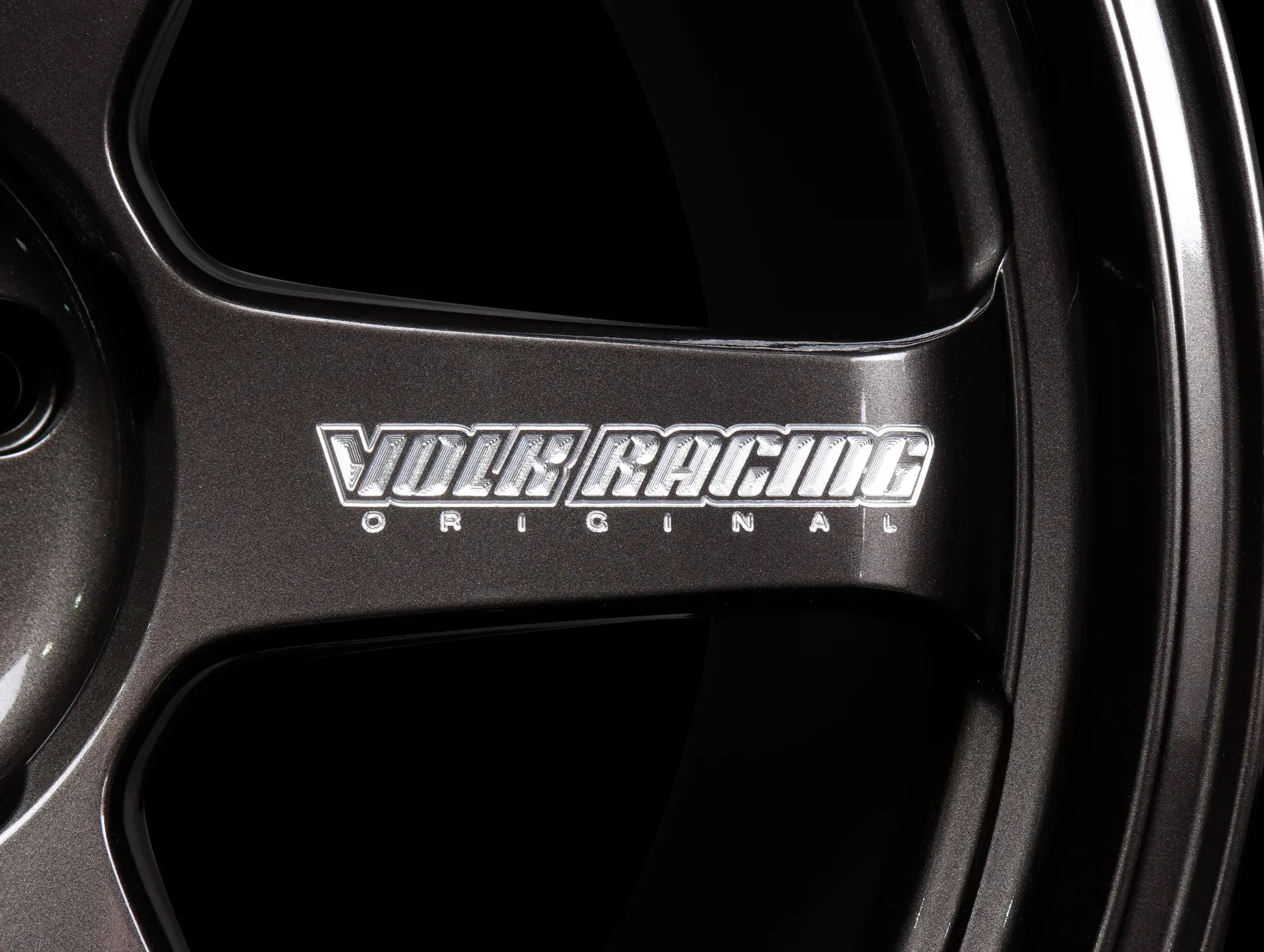
And from these legends came an icon: Volk Racing.
Because those machines did not become legends alone. As Japan’s racing scene became more and more competitive, the small details mattered more. Weight, strength, durability became necessities.
The ones that saw this early was Rays. Founded in Osaka in 1973, Rays started as a small wheel manufacturer during the rise of Japan’s tuning culture. Rays recognized this shift and began forging wheels that fit what these enthusiasts wanted.
Their obsession became forged wheels.Unlike traditional cast wheels, forged wheels are created by compressing aluminum under massive pressure, creating a wheel that is both lighter and stronger. I know that sounds like engineering garble, but less rotational weight in the wheel improves acceleration, braking, and steering response all at once. And because the wheels were stronger, they could withstand the beating of motorsport.
Volk Racing became Rays’ performance division and eventually one of the most respected names in the automotive world. At the time, many of the new wheel brands created crazy looking designs, while Volk focused almost entirely on function.
Then in 1996, they released the TE37. Released during the golden era of Japanese performance cars, the TE37 was the go to pick for the Supras, RX-7s, Skylines, Evos, and Imprezas. Its design was beautifully simple. Six thick spokes designed to maximize strength while minimizing weight.
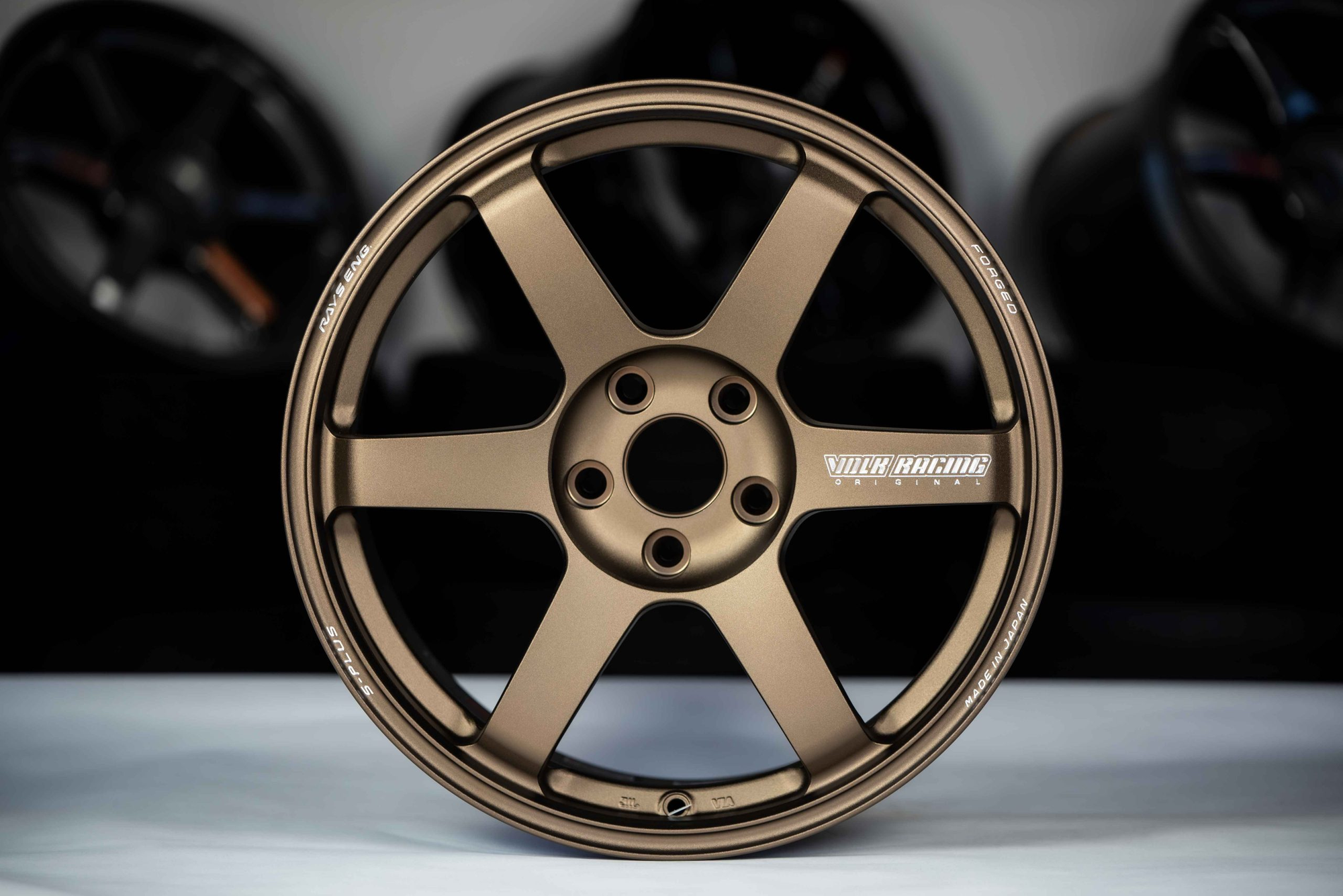
30 years later, the wheel still looks modern and clean. A level of timelessness not seen since the Nike Air Jordan 1s. Their wheels looked mechanical, clean, and above all strong.
But Volk wasn’t known for their popularity at a car meet, it was their tires crossing the finish line first in motorsport.
Volk Racing wheels was founded right before the motorsports boom hit Japan. Due to their longer history, and superior build quality, they became common across touring racing, GT racing, rally, drifting, and time attack. Even in drifting, the sport that is an execution stand for wheels, Volk became a favorite due to being able to take the tough hits of wall touches and transitions.
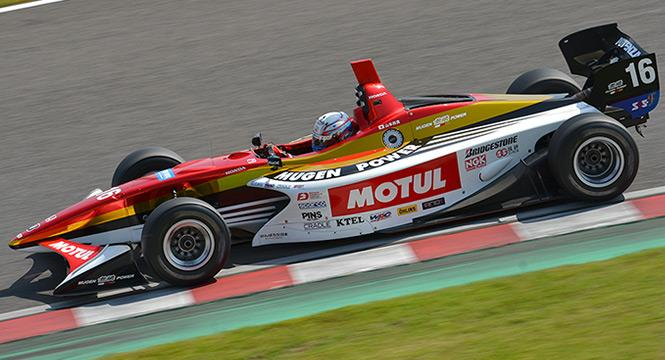
Then enthusiasts got a hold of them in response to their success in racing. Right as Volk became one of the go to wheels in motorsport, Japanese tuning exploded globally through magazines, movies, video games, and Volk wheels were attached to all of it. If you played Gran Turismo or watched early street racing videos, there is a good chance the wheels were TE37s.
Almost 53 years since their founding, and they still stand as one of the best in the business. Volk never drifted to chasing trends or looks that weren’t their own. They created trends which lasted decades. Their wheels still appear on serious race cars before influencer builds.
And maybe that is why Volk Racing remains one of the few universally respected names in car culture. They earned it by building equipment worthy of Japan’s legendary cars.


Comments